Architecture should contain a power that directly touches the human heart.
Kenzo Tange, Architect
Part one: book of imagery
Architecture that lacks a single specific answer is fascinating, revealing the infinite possibilities within its domain.
Hiroyuki Suzuki, Architectural Historian
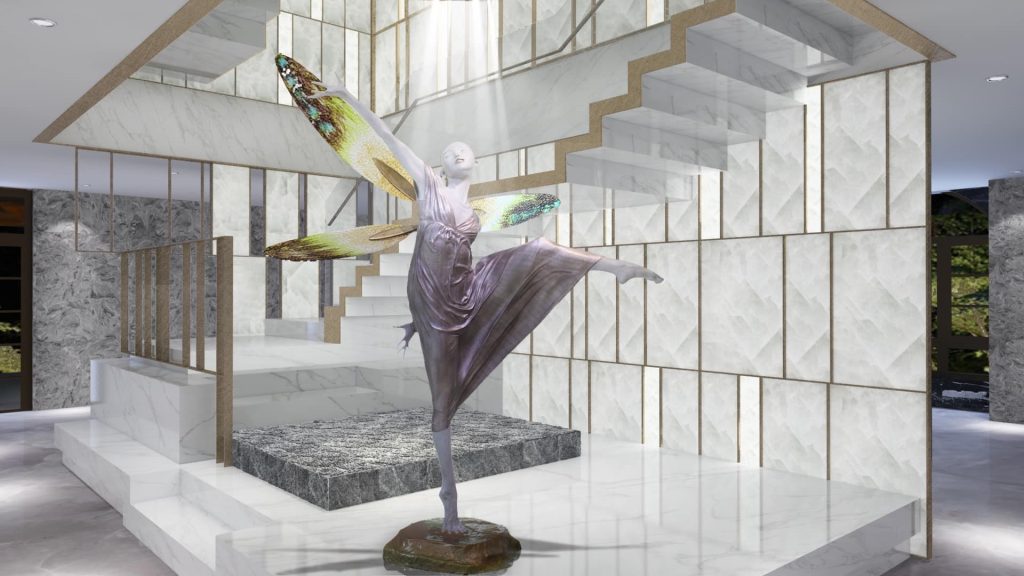
With a broader imagination, using creativity as the warp and building materials as the weft, the presentation of space is akin to a "book brimming with imagery and hidden characters". In this book of endless possibilities, there are no preachy or lengthy texts to hinder the imagination; upon opening, the creativity of various architectural designs springs forth, inviting visitors to explore and discover their own visions of home.
A captivating book of imagery and hidden characters necessarily involves rhythm, contrast, emphasis, and transitions. In model homes or sales office spaces, Sherwood Design often blends strikingly different design elements—Western/Eastern, classical/modern—creating drama through contrast and ingeniously merging these elements to produce a tapestry of diverse imageries.
For example, we experimented with placing extremely classical or sacred elements within a modern commercial framework in our hotel projects. By seeking spatial prototypes or elements with tension from historical buildings and rejuvenating them with new techniques and materials, visitors experience a fascinating sense of temporal and spatial dislocation.
Part two: visionaries
Life is about translating the myriad mental images we generate into the essence of our being.
Bill Gates, Co-founder of Microsoft
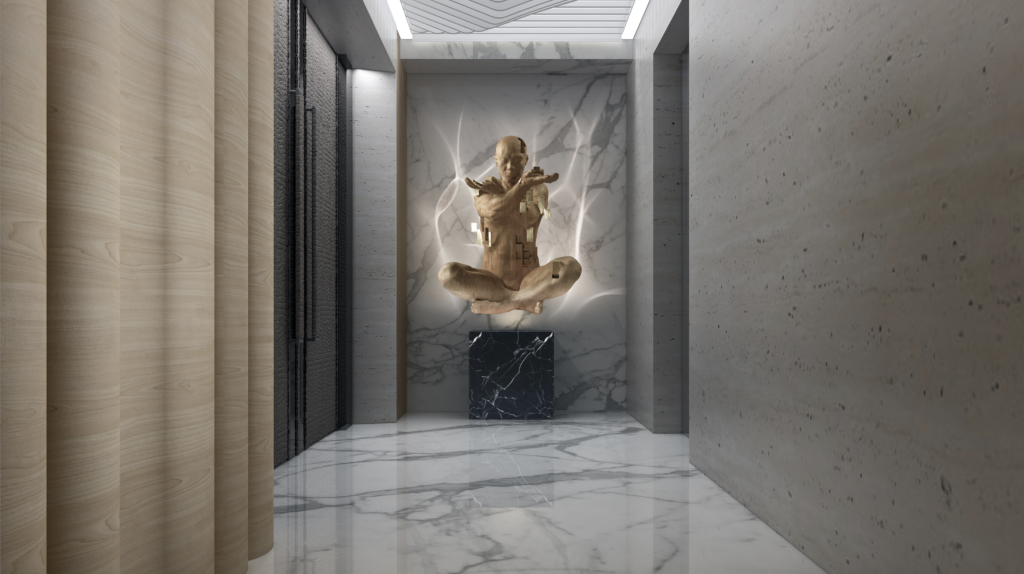
Architecture is more than just a shelter for the body; it is a space for the dialogue between the 'designer' and 'dweller's' minds and souls, bridging the tangible and the intangible, dreams and reality. Sherwood Design aspires to boldly realize the designer's original spirit in diverse spaces while accurately capturing the client's spatial expectations.
Outstanding designers must possess the capability to envision futures that transcend the present. In a broader sense, designers, like seers, must have foresight and insight beyond the constraints of time and space, uncovering and shaping the potential of future living and buildings through deep interaction between the structure and its future inhabitants.
Designers are like wise sages, offering a guiding light of vision. We balance 'originality' and 'creativity', 'presentation' and 'representation'; through extraordinary theatrical effects, we convey deeper humanistic thoughts, refined tastes, and philosophical insights.

Part three: Dream Theater
I have spread my dreams under your feet; Tread softly because you tread on my dreams.
William Butler Yeats, British Poet
For Sherwood Design, architecture is a spatial theater expressed through elements, textures, and materials. Our ideal space must be simple and sharp, elegant and charming; and in its execution, it should precisely and efficiently meet all functional needs. Between the explicit and the implicit, the folding and unfolding, the stillness and the motion, we craft a dramatic tension.
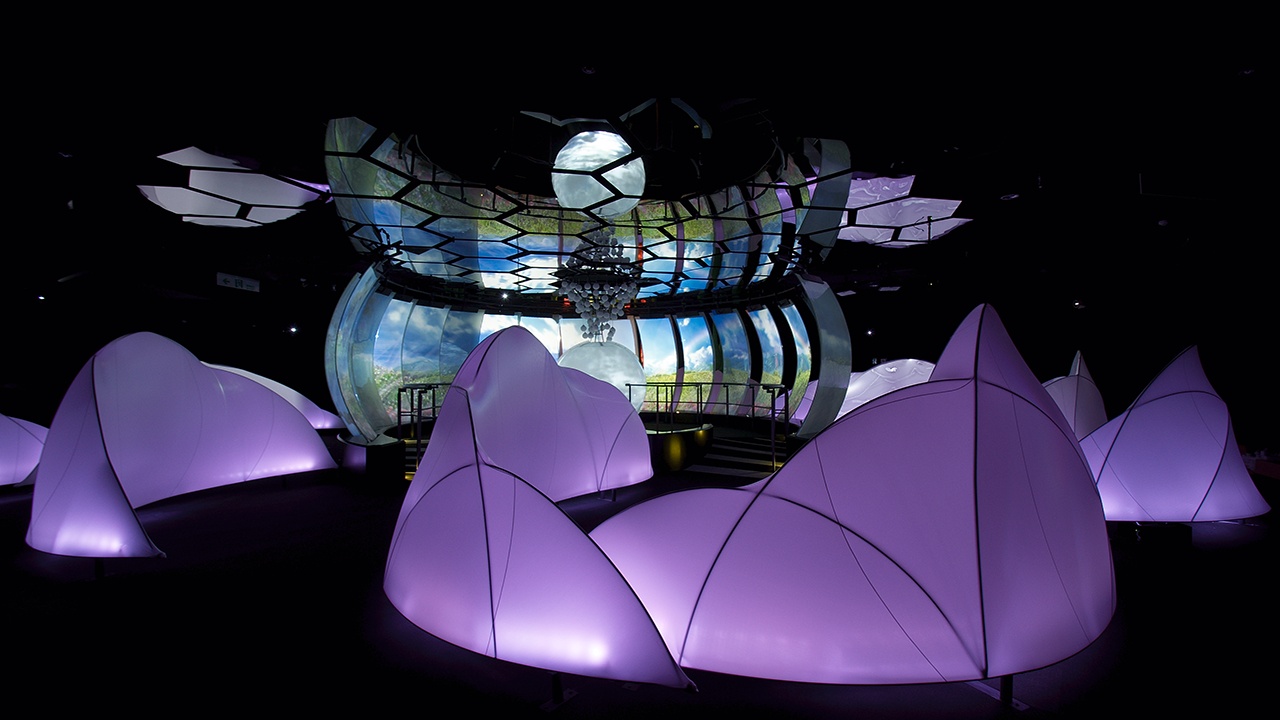
In our design for the Flora Expo Dream Pavilion, for instance, we led visitors along ground footprints into a petal labyrinth, stepping onto an elevated stage surrounded by curved electrically controlled liquid crystal glass. The central giant spherical projection, symbolizing the pistil, with liquid crystal glass around it continuously changing transparency and combined with image projection, blurs the line between reality and illusion. Through communal interaction with the light sphere, a dance of mutual prosperity and life is initiated. The light floral labyrinth offers an experience of life as theater.
Through these spatial dramas, architecture guides the emotional dialogue between visitors and designers, stirring mutual dreams and visions.
Part four: The Power of Story
Architecture exists only in poetic moments.
Le Corbusier, Architect
Takahashi Akira, in "Five Senses Marketing," stated, 'Any commercial activity is essentially a form of communication. We aim to surprise our clients, as this represents a soulful communication. Hence, the importance of stories and emotions in communication will continue to grow.
The compelling appeal of stories lies in their ability to stimulate all human senses, much like great architecture possesses a power that directly touches the heart. Therefore, in the initial design of model homes and sales offices, we aim to weave all elements together through a narrative thread, with humans as the protagonists of spatial design. Using a narrative strategy along with movement flow, we see ourselves not just as designers but as directors of space, integrating actors, lighting, scriptwriters, stage design, etc., to interpret this spatial epic. Visitors are subtly influenced by the story, ultimately becoming one with the space.
A good story doesn't reveal its ending immediately, akin to a Sherlock Holmes detective novel that invites readers to discover it gradually. We aim to blend surprises into spatial design, and capture those fascinating moments when visitors walking in.

Part five﹕ The Essence of Home
Houses embody architecture's origin﹒
Tadao Ando, Architect
A philosopher once noted the key distinction between a house and a home: a home serves as a repository for memories, whereas a house stores furniture. What memories are worth preserving? Those that can reignite our zest for life.
The significance of 'home' transcends material aspects, offering a sanctuary for the soul. Beyond structural stability and safety, it allows inhabitants to recharge fully. Thus, in our spatial design, we meticulously create settings where the soul can roam freely, and memories can nest.
We aspire for our spatial designs to possess depth, akin to wine tasting or fragrance sampling, where the essence isn't released instantly but unfolds through 'top notes', 'middle notes', and 'base notes', or processes like 'decanting', 'observing', 'smelling', and 'tasting'. Through careful arrangement in showrooms, between velvet and jade, gilding and relief, we unleash visitors' imaginations and memories.
Part six: A New Space for Life
In a garden, flowers attract butterflies, piled stones invite clouds, planted pines beckon the wind, stored water lures duckweed, banana plants summon frogs, and willow trees call to cicadas.
Zhang Chao, "Dreams of Shadows"
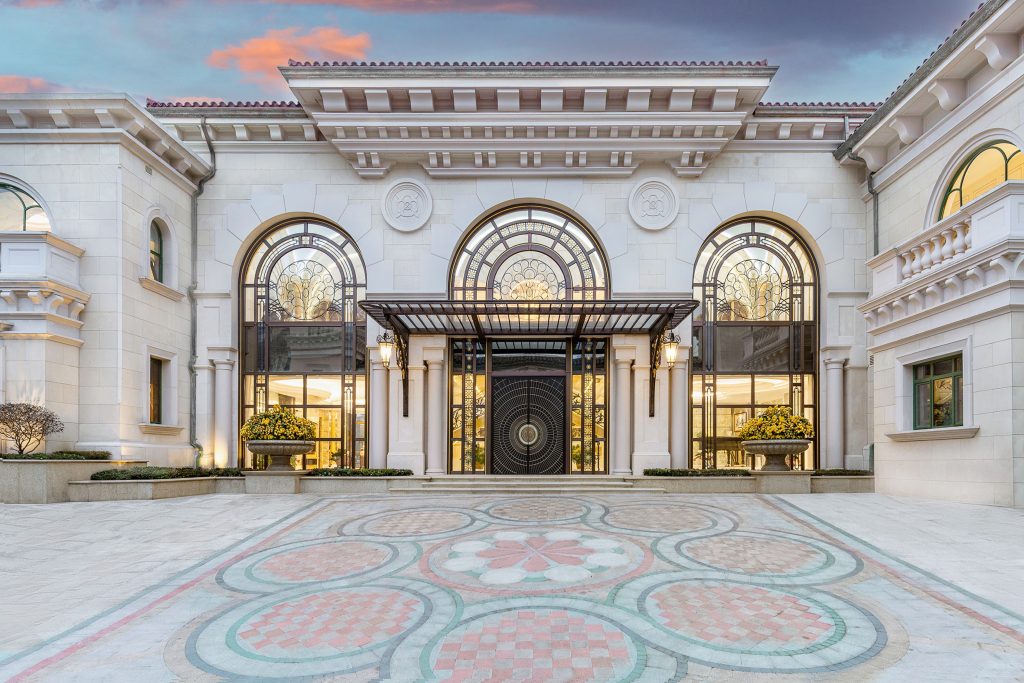
Japanese architectural scholar Ishiyama Shūmu once stated, "Architecture requires the other." We resonate deeply with this sentiment. Spaces become captivating precisely because human life is filled with unpredictable changes.
While designers can set a basic framework for spaces, our designs always include a significant amount of 'negative space' for the most crucial aspect: the interaction between people and nature, akin to a watercolor painting enriched by the blending of colors and the gradation of ink, where the ongoing dialogue between people and architecture adds unforeseeable richness to the space.
Tadao Ando once remarked, "Travel can shape a person, just as studying architecture can." As architects constantly exploring new ideas and values, we are akin to curious travelers, ever-transforming and tirelessly enjoying the journey; likewise, we are transformed by architecture, continuously refreshing our concepts and creativity.
In a world bustling with voices and rebirth, amid a confluence of cultures and significant moments, various architectural and design innovations emerge, moving from the spiritual dimension of design to the profound depths of architecture.
At Sherwood Design, we firmly believe that for all architects immersed in the vast sea of knowledge and boundless creativity, this grand ambition and journey is just beginning!